
Preparing Siblings for Twins
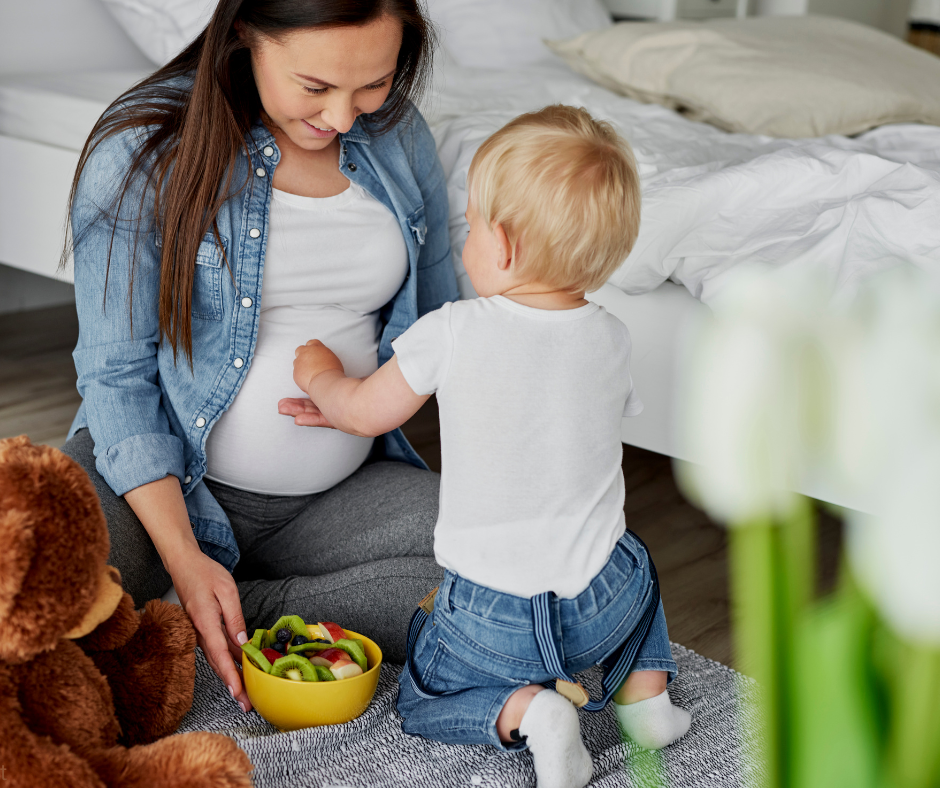
Helping your children prepare for the arrival of twins
If you already have children, preparing them for the arrival of their new siblings is important. While all children need preparation before a new baby joins the family, when it comes to twins and multiples, the scene can look a bit different. Preparation varies from family to family, depending on the age and number of children you already have. There are logistics to the house and family routine to consider, as well as emotional preparation for the little ones. So let’s break this down a bit…
Multiples capture everyone’s attention, and it’s understandable. Therefore, talk with your extended family and friends about proactively showering your older children with affection to buffer the imbalance in attention they will likely experience in the early weeks and months.
Twins and multiples often arrive earlier than their due date. Therefore, preparation should begin early enough to help the children ease into the new family dynamic with ample time. The emphasis in the preparation process is on parents’ time management, and understanding the limitations of attention division, reduced mobility (due to recovering from birth, and holding one or more babies). Additionally, it is good to prepare for a longer postpartum nesting, as getting out and about with multiples is more cumbersome than with a singleton newborn.
Preparing toddlers (1-4 years old) for twins
Preparing very young toddlers (under the age of 2) will mainly require more emotional investment from you and the family. Focus on giving them attention when possible, and be aware of triggers for tantrums and strong reactions to disappointment, as their ability to grasp the changes is limited. That said, most of the advice below will also apply to them in various degrees.
If your toddler is over 2.5 years old, chances are they are somewhat verbal, and probably quite attached to you. While toddlers crave independence and autonomy, they still rely heavily on our physical support to achieve their goals, not to mention intense supervision as they periodically test boundaries and experiment with new motor skills.
Verbal preparation is essential, and by that, I mean beginning to talk with the toddler about babies. What do babies do and need? How is that different from their needs as big kids? You can introduce books about being a big brother/sister, so you can further engage your toddler in the world of being an older sibling.
Share with your toddler that new babies will be joining the family, and how they will be their big brother/sister. What do older siblings do? How can they help? You can also engage in pretend play with dolls, so things begin to feel more real, especially since there is going to be more than one baby. Talk with them about toys that are going to be for the babies, and toys that are going to be just theirs, which they don’t have to share. You can also invite them to give the new babies toys they no longer use as a present, as you prepare the nursery and the babies' belongings (although be prepared for them to change their mind later, and we should allow them to take their toys back).
You can also involve your toddler in the process of getting ready by explaining how you will need to help the babies feed, dress, sleep, bathe, etc… They can be invited to make decisions with you, such as choosing clothes, baby gear, bedding, and toys to feel included (this is applicable for older children too). If they lose interest or begin to express anger, leave it there. Let them know that even though the babies will need your support, having new babies isn’t going to change how much you love them.
As your pregnancy progresses, you will be less agile and mobile. Talk about these limitations with your toddler. Find new activities you can do with them that don’t require a lot of movement, such as arts and crafts, puzzles, reading books, gentle play with their dolls, etc. Your toddler will probably have some emotional reactions to your limitations, which is very common. Talk with your partner or support person (such as your parents or siblings if they are around to help) about them taking a more active part in engaging with the toddler in activities you won’t be able to do during the pregnancy and postpartum.
Invite your toddler for cuddles as much as you can, to proactively fill up their emotional tanks, and remind them that you love them and miss doing all these fun things you can’t do at this point. Assure them that you will do more with them as soon as you can. While patience isn’t a toddler’s virtue, managing expectations, focusing on what you can do, and acknowledging how these changes can be hard for them to adjust to is key in helping them process their feelings.
Breastfeeding and sleeping arrangements
If you are still breastfeeding, it can be a good idea to wean your toddler before the babies arrive. Breastfeeding while pregnant with multiples can pose risks to the pregnancy (ask your obstetrician how breastfeeding may impact your pregnancy). What’s more, the milk composition will change to prepare your body for feeding newborns, which will not suit your toddler. Many women want to take a break from breastfeeding before the arrival of the babies, to let the body rest a little and have a physical as well as a mental break between the new phases in their parenthood.
Furthermore, weaning your toddler off the breast will also help them feel less envious of the babies. The earlier you start the process, the easier it will be for them to make peace with the changes, and later with seeing their new siblings feed. They will be able to understand better the difference between babies being small and them being big, and how the breast was not taken from them to be given to the babies.
If you plan to move your toddler into a big bed, it's a good idea to make the transition early. Disassemble their crib/cot and store it away. Reassemble it in the presence of the toddler to talk about the bed being prepared for the babies. That way, they will feel less resentful for thinking the babies are “taking their bed from them”. If you are co-sleeping and planning on changing this sleeping arrangement when the babies arrive, it is a good idea to start the process with time to help your toddler adjust to the new sleeping routine, and again, not feel as if the babies are taking their sleep space with you.
Important to note: If your toddler is under the age of 3, it’s best to keep them in their crib/cot. Transitioning to a big bed before the age of 3 (especially due to the arrival of new babies) is often unsuccessful, and can result in a sleep regression and tedious trips back and forth between their bed and yours. You can read about transitioning to big beds in my blog post How to transition twins to big beds.
It’s also a good idea to plan ahead and outsource support if necessary for daycare drop-offs and pick-ups. You may not be able to do these activities in the later stages of the pregnancy (or if you require bed-rest, or babies arrive earlier than expected), nor early in postpartum. If you will need to stay a while at the hospital and/or at the NICU, planning for your children’s care is essential.
If you give birth abdominally (with a C-section), driving will not be possible in the first 6 weeks. Therefore, arrangements for car rides (i.e., daycare, school, groceries, etc.) are best to be planned beforehand.
Preparing Older children for twins
Talking with your preschoolers and school-age children is easier on the logical side, and much of the above applies to them too. Yet putting a plan in place for talking with them about the upcoming changes, how they can help with the babies (and/or toddlers), and how these changes will impact them and you, can help manage expectations.
If you can, try to arrange times to spend with each older child during the week. While with toddlers this can be more regular, such as during bath and bedtime, finding times during the week to spend with each child can help them face the decrease in your attention and availability with more ease. Whether helping with homework, talking about their day in the evening, going to their sports events, or inviting them for a stroll (with one or two babies) - can significantly help them feel included and valued.
When the twins arrive
As mentioned above, the social interest in twins is understandable and expected. People’s reactions to twins can make your singleton children feel that being twins is more special than being singletons. For that reason, helping your children navigate comments and confusing feelings derived from these kinds of interactions can support their adjustment process to being older siblings to twins.
Involving your children, whether toddlers or older, in the daily happenings of the babies can help ease the tension. Ask for their help with nappy/diaper changes, feeding (either with bottles or fetching burp cloths), loading and unloading the laundry machine, and dressing the babies up. When your children can feel that the new babies are also in a way “theirs”, which they are (they are their siblings), they will be better able to process the new feelings of jealousy, anger, frustration, disappointment, and others.
While the transition into a multiple family is usually accompanied by some bumps and hiccups until everyone learns the ropes, finding strategies as a family to meet everyone’s needs (big and small), can help you go through the changes together, and find your rhythm in the new family dynamic.