
Individuating from my identical twin
About being an identical twin and the process of individuation
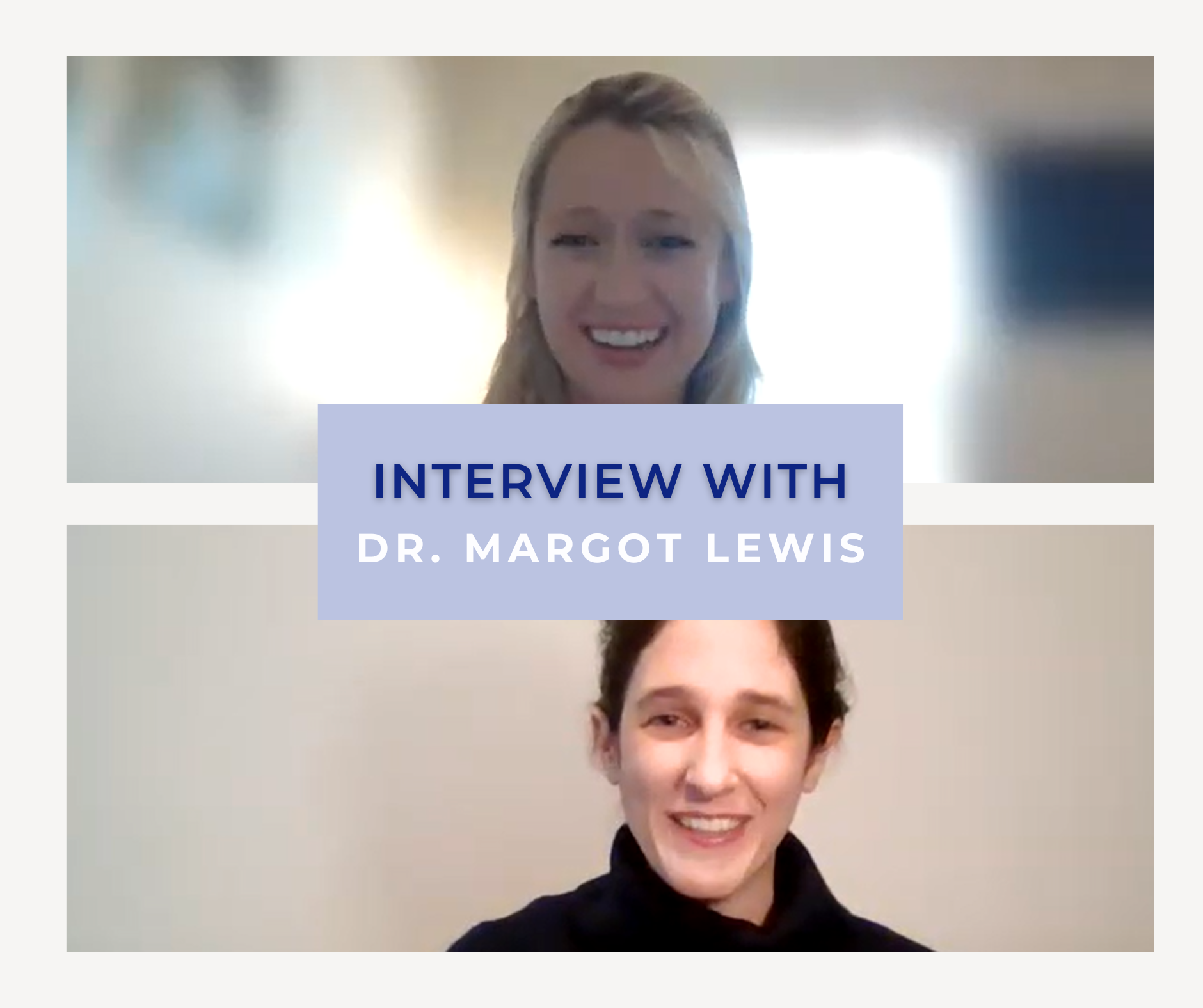
In my interview with Dr Margot Lewis, a psychologist and an identical twin, we discuss the journey of individuating from the twinship, not by choice, but when life dictates the timing. Dr Lewis shared how the challenges of this personal journey taught her what it means to be herself in a non-twin world.
Dr Lewis is a twin therapist who specialises in supporting twins aged 6 and over to navigate the intricacies that growing up as a twin can pose. She helps twins in her clinic, "Twinsight Therapy", in the USA, and worldwide.
Transcript:
Smadar Zmirin: Okay, welcome everybody. And today we have a very special guest, Dr Margot Lewis. She is a psychologist and an identical twin herself. She lives in Colorado, but she works with families in over 40 States in the United States, but also internationally, and she specializes in twin therapy, and she is meeting with clients 6 years and over.
And your practice is Twinsight Therapy. Is that correct, Margot? Did I pronounce it correctly?
Margot: That's correct. twinsighttherapy.com.
Smadar Zmirin: twishytherapy.com, of course. So I was thinking, before we're going to dive deep into your work with twins, and how it is for you being a twin. If you can tell us a little bit about your journey to becoming a twin therapist, how did it start? And how has it impacted your life?
Margot: Oh, wow! That's a great question. We're just gonna go deep right away.
Smadar Zmirin: Right.
Margot: Just get right in there. I actually knew that I wanted to be a therapist from adolescence.
I'm as an identical twin. I I was raised in a very small kind of community. There weren't a lot of twins when I was growing up and it was. It was hard for me to figure out who I was separate from my own twin and I remember waking up one day, you know, and just asking myself, Who am I? And I think I was 16 years old.
And at the time I was confused, and my parents, you know, sought help for me. But what was interesting was in that in the work I did with that person. They never brought up my twinship. They never brought up any issues related to being a twin. And so I really felt like they completely missed the boat there, and really I didn't feel it was very helpful. So I went on through college and then to the doctoral program I attended with the hopes of being able to help twins, and that really became my passion.
And so I wrote my dissertation on Identity Development in in twins all the different ways. You can be a twin the 5 different ways, fraternal, identical and treatment guidelines for clinicians working with twins as patients.
Because I felt it was really important to follow through on that that commitment I had made as a teenager to, to provide some guidance for providers, knowing that it's such a unique developmental experience, and it is oftentimes kind of ignored or just not brought into the therapeutic space.
Yeah. So that's how I got started.
Smadar Zmirin: And you said that the the spark started around the age of 16, were you and your twins? When you, your twins? Sorry, brought up very close? Or were your parents supporting you to become your own people? How did that feel for you?
Margot: Those are great questions. I believe that my parents did a a good job trying to to nurture our own individual interests.
I was very artistic, so I took art classes, and I love drama. So I did more drama and art and dance, and my sister was more sports. Kind of athletic you know, interested and the, you know, growing up, we had very small class sizes. I was in the same class as my sister up until high school, but it was just a small girls school. There was only a hundred girls but from the age of from 1st grade all the way through high school. My mom had an M. Monogrammed on my collar and A. C monogrammed on her collar, so the teachers could tell us apart.
So it was interesting to have that like that Scarlet Letter. But it was just, you know, and it was fun to switch places and put the C on, and she put the M on. And we, you know, switch places on teachers. And we went to a school with nuns who did not appreciate that. But yeah, yeah. So I think my parents did a good job. I think in some ways, my particularly, my mother, had a sense of status about having twins, right identical twins, and felt you know she had us dressed in these beautiful matching Laura Ashley dresses, and would love to kind of parade us around, and that we were the only children in the family, so she was very proud. And you know that I didn't realize until later in life. That you know, being seen as this, like.
You know, kind of phenomenon when we would go out in public or you know, be like kind of almost like like on in the spotlight. People would stare at us, because obviously we look alike. We dressed alike.
And you know that's something I kind of got used to. This this kind of weird tension on on my sister and I but never feeling like I was being seen as the end, an individual in those situations, and wondering if people really knew me for me, and not just as a twin so that was hard, and I really don't think that started to resolve until we went to college, and we went to college at the same, same college. And it was a huge college. So and we we majored in different subject areas. So we had to take different classes. And I remember how incredibly scary that was, and I remember when it 1st hit me, that I was in a situation where people really only knew me for me, and not as a twin. And so it felt like this, really weird, like glaring vulnerability and security. I'm like, where is she? She's my backup like in case I, you know I don't have this so so that was really kind of the start of me really. Being pushed into my discomfort zone, if that makes sense, but really a zone for me to grow right. So.
Smadar Zmirin: Yeah. So that was, I was actually about to ask, what helped you, or I don't know. How did you find the confidence or the I don't know the, the urge to branch out, but it sounds like it was kind of forced on you. It wasn't come coming from you choosing to do something differently. You wanted to individuate the kind of life forced you to put on your bigger pants. And now you're on.
Margot: It sure did. Yeah, it sure did. And you know, it took a it took, I guess, till the age of 18 to really do that to put on those pants. And what's so interesting in my work with like twins now, especially younger twins. That process is happening sooner, and it's so refreshing to see.
You know how parents are doing that. And, and you know my mom always said you 2 never came with a manual, and so I know raising twins is incredibly challenging, and I don't judge them. They did the best they could. They were fabulous parents, but I think that seeing the wealth of knowledge now that they didn't have, and the advice that people like you are are giving and putting out. And you know, write the Internet. All of these things were not available. It's really helping parents. I really, I think it's helping them to understand the importance of really knowing each child, and making sure that they're socialized in an individualistic way, right.
Smadar Zmirin: Did you talk with your sister during the college years, when everything was, you know, new, and, as you said, you were pushed into your discomfort zone. Did you guys or did you girls talk about it? How it influenced you? Did you learn to like it, or you realized, this was scary. But this is actually really nice as well like, how was that for you, and also sharing that experience with her.
Margot: Sorry this is Waffles. I'm going to take him off. He's a very aggressive cat that loves to be attended to. So I, I did have conversations with my sister. And I can't recall really, the 1st time I brought it up with her. I know that.
You know. I could always confide in her, and she always kind of knew when something was was off or wrong with Caitlin.
Definitely, I think, really accepted that that that time to just really flourish on her own, and I was a little more kind of hesitant and a little nervous. So it's interesting. Exactly.
Really you know, and I and I mean we flourished in our own ways, but I think there were times I felt left behind. Or I felt you know, I wasn't a priority in her life anymore.
But as I started to make my own friends, which was the 1st time I was doing that.
You know, I started to lose that feeling of of kind of feeling lost and and left behind. So so really it forced me again out of my comfort zone. And I did. I did talk to her about it, I think and I think obviously I went to college and I wrote my dissertation on Twins. So she read it. I made her read it. She knew I was fascinated and wanted to do more like me, search, and that my relationship with her was a source of pain and also source of love and comfort. So you know, I think she understood that
though? But but I don't recall like a specific conversation, if that makes sense. I think we just talked about it you know, with Each other
Smadar Zmirin: Yeah, yeah, I hear you. Supposed to be just the one. It's just more about all of those new feelings are happening, and it can be maybe positive, maybe negative, maybe a bit of both. And I think in the twin world the word ambivalence is a big theme. Everything is a bit of both.
So, can you tell us a little bit more about what you said about the relationship with her? The twinship is a source of good things and also a bit of pain. Can you elaborate on that a bit.
Margot: Oh, absolutely! Oh, goodness! My sister met her now her husband in I remember senior year in college, and she was with him for a very long time, and I had decided to. I was very independent, and I decided to pursue higher education. So I went off on my own and, and made new friends in that realm, and focused on that and we were coming. I was coming to the end of my.
I remember she was always with him, and at 1 point she had moved in with him, and feeling the sense of jealousy toward her significant other like she was stealing her away from me. I remember those feelings of just like feeling like I've been replaced right. It's just such a painful feeling and, and I know that that was not the case. Right like I was always important to her, but, like in my mind, I did not have, like another object to attach to, and so she still was very important to me in my life, and I felt like she kind of not like she betrayed me, but, like, in a way like I had said before, she kind of moved on, and I'd always felt like she was ready to move on faster than me. So so I decided when I was 28, and it was my 5th year of school. I had to attend internship, and I thought to myself, Well, you know I've been a unit my whole life. How hard would it be to go into the military? That's just a bigger unit. Right? I can do this. This is something I can do.
So at that same time my sister was also marrying this this guy that she had met from college, and so I always joke that I married I married the military, and she married her husband. So you know that was, that was really our separation. And that was very painful, you know. It was. It was hard to accept that I needed to find my own way, and Caitlin was not necessarily going to be by my side for that all the time, you know. That that sense of wanting to go back to childhood and have that same bond that we had shared that intimate bond where words weren't necessary. She understood what I what I was feeling with that. And I there wasn't a lot of explanation necessary.
Yeah, and just feeling soothed that soothing feeling when you're around someone.
So, and I remember when we were babies, we would suck thumbs and hold hands. And so we really were very attached to each other in that sense. For a long time we slept in the same bed till we were 7. So unlike non-twins, that's kind of, I think, different and really special.
You know that time? And I think it's a time that a lot of twins reminisce about, you know, because it was such a source of safety and security.
Smadar Zmirin: Yeah, definitely. And I see it time and again, that twins for better or worse co-regulate each other either because they want to, or because they feel like they they can. So they step into that role to correlate. And when life happens and they can't be there. If you don't have the skills to do it in any other way. It can be frightening. And, as you said, really really painful. Yes.
Do you feel like your parents lamented this kind of separation where you guys branched out in in college? Did they have any preference for you guys to be best friends and to always be super close.
Margot: No, I think they were really happy that we wanted to do different things. I think they really embraced it. And they saw our interests as being unique, right and, and nurtured both of those. But I think, I think what was hard for my parents was to understand the fight, the increase in fights right? Because, as you're trying to move closer to someone and someone's trying to move away. And you know, twins tend to express themselves. I well, we we lived in the same sorority house for 3 years together. I tried to join a different sorority than her, but she ended up joining.
So I was trying to get away from her actually, and she ended up being in the same sorority house as me, so we would steal each other's clothes, and we'd be fighting because we thought we had one big wardrobe and everybody. Our fights were infamous. Everybody could hear us like down the hall, screaming at each other. And it was pretty much me stealing her clothes, so I'll be clear about that. She was not the perpetrator, but no, so I think my parents sometimes just felt like they got tired of some of our fights, and some of the stuff was petty and I don't think they knew how to quite deal with that, but I think it's a necessary part of how you individuate, because you have to kind of go through that like storm and stress.
like, they say, to be able to really understand who you truly are. And I was trying to reject some aspects of my sister. She was trying to reject aspects of me like what's what's not me? What's what is me right? And so I think that process you know, was confusing to others, but it helped us to kind of work out some of our, you know, some of our twin twinship, you know, stressors and and whatnot into individuate.
Smadar Zmirin: Yeah, to diffuse the the twinship lines a little bit where you end, and she begins because it can be really enmeshed. Sometimes.
Margot: Exactly. Exactly. Yes.
This is my son. I'm so sorry. I have a 7 year old and an 8 year old that are Irish twins, and I know the twin community is like that's not the same as having twins, and I totally get that. Hey, sweetie, what's up?. So Daddy, can she go outside to play?
That's fine. Oh, thank you for asking. Oh, they might be far away. Okay, right. Tell her to come back in a half an hour. Thank you, sweetie.
Smadar Zmirin: I know they're not real twins, but I love it that they still have the title, and it's, it's a different. I think it's a different challenge. Sometimes I feel.
Margot: Gosh yeah. So, so I need to pick your brain one day Smadar, about how to how to deal with the conflict. The competition. Oh, my lord.
Smadar Zmirin: Right.
Margot: You can. Baby put pants on. Thank you. Okay, sorry.
That's okay. We have the cat. We have the kids. It's very wholesome, exactly. Oh, goodness! I love laughing good! You have a good sense of humour.
Smadar Zmirin: It comes with working with kids. You have to absolutely.
Margot: True.
Smadar Zmirin: So that's, I actually want to ask you. You talked about a little bit about some of the the common themes that twins can go through in different stages of their life, and there are parts that they're reminiscing on, and parts that are naturally going to be a bit more tense. Are there any reoccurring themes or issues that you see in your twin clients that's coming through.
Margot: Yes, absolutely. I've actually seen, and one of my mentors and I don't know you. You named a litany of psychologists that are just like to me celebrities like I. I hold them on pedestals. I use them to write my dissertation like when I, when you put me in this line up with them. I feel like so honored, and I'm definitely at the bottom at the lower end. But so, Joan Friedman, you you interviewed her, her book “The same, but different”.
Smadar Zmirin: Yes.
Margot: The book she wrote, I remember crying through the whole book because it it just touched me so much. It literally was. It was it was me she was talking about, and she was just. She's just brilliant, and I remember shutting the book and saying she wrote the book that I wanted to write. It's been written, but I was so happy that somebody had done it and done it so well. So
so I I see when's actually a lot of times parents are coming to me because they have twins in conflict. And especially during that storm and stress adolescence period. And what's interesting is that regardless of whether they're identical or fraternal. I have seen, and I don't know if it's just because of social media and the, the current age. But, the sense of so comparison is natural. When you have a twin, you're going to be compared against the other. But the problem is is, I think, that in the modern age it is super heightened. So they're very self conscious about how they're coming across, and to others to their peer groups. And so I'm seeing this very you know, you know, kind of some pathological ways that they're rejecting their other twin in a way that is so hurtful. So. And I've always found that there's 1 twin that wants that relationship and the other twin that's rejecting it.
And there's this such pain in the one twin that so desperately wants to have some, you know, closeness with their twin. But their twin is completely wanting to separate before they're ready for that to happen. And so that's a theme I'm seeing in my work. And the on, the sad part is is that, and this is something. Dr. Klein. Barbara Klein is one of my mentors, and she's written I I know you haven't interviewed her, but she has written so many books. On treating twins, and she's worked with twins for 45 years treating them.
That it's really interesting how some relationships, if you cannot reconcile the individual identity with the twinship identity and be able to balance the needs of both. That oftentimes these twin pairs are moving toward estrangement in young adulthood.
Yeah. So it is really painful to see, and, you know, want to help. And and but you can't force right. You can't force the twins to want to be best friends, and certainly that's not what I'm trying to do in my work. But to understand there's a balance there, and the benefits of having both right, because that's truly an advantage for me, you know, is having those 2 identities that I always I can slip back into my twin identity.
When I'm with my sister, and I love it, it feels great and it's fun. But then I still have my strong individual sense of self. And so I I find that a lot of twins that haven't been able to reconcile, that have either issues where they're estranged or they're just having issues later on, as as adults, you know, it comes out, as you know, in depression and anxiety and things like that. And it also comes out in their relationships, their attachment and other relationships.
Yeah.
Smadar Zmirin: Yeah, do you feel like or how do you feel that for yourself as an adult twin being a twin has impacted you like, relationally or socially or emotionally, when you're building these kind of relationships?
Margot: Oh, I realised a lot after doing my research. I was like, oh, that explains so much. I'm like, I wish I'd known this, but I always felt like I was a little bit socially behind. My sister was more of a spokesperson and I was a little more passive so I didn't really develop the traits of speaking up or feeling confident in my own voice. So, so those were things that I think. I realized in hindsight I was a little bit behind the curve, like it was a little bit harder for me to make friends right that you know.
Individuals, singletons, whatever they have to learn how to strengthen those those like small talk skills and all of that. And when in Caitlin and I, my sister and I would just immediately, when we walk up to people it's a source. It's a topic of it's an icebreaker immediately. But when you don't, that person with you. There's no icebreaker, so you have to figure out how to, you know, break that ice and, and get to know someone and befriend them. So I think I realized in hindsight that was kind of a disadvantage. It was an advantage in some ways, but also a disadvantage. If that makes sense.
Yeah. The regulation piece which I brought up earlier learning how to self. That's another theme I'm seeing in twins is that their ability to self soothe is is delayed as well as adolescents. When you know you're going through all these hormone changes and challenges because individual Singletons have to really learn those earlier because they don't have the comfort of that other person.
So so I'm noticing that as well that the dysregulation they're experiencing is seems to be more heightened than some of the non twins that I treat. Yeah.
Smadar Zmirin: And yeah, and it sounds like you had the harder, the harder part here when you said your sister found a spouse 1st and married first.st So you had that experience of being left behind, and it could all the way around, and we don't know how she would have coped with that.
Margot: Exactly.
I know she never will. She'll never know that. But I think she did know I was hurting like if that makes sense. She felt that pain. She knew I was hurting but it wasn't something she could fix, you know. That's the thing. So I had to do it myself.
Smadar Zmirin: Yeah, yeah, definitely. Well, you said that it's important to say, when parents come to you to support and understand and validate the feelings of both twins, even though they may be in very different areas right now of what they want and need. So how do you feel that parents, family teachers can help twins navigate those challenges to grow up side by side, but not in tandem.
Margot: That's a great question. I I have talked to some very lovely, psychologically minded parents that are very in tune and really want to do their best in guiding their, their children. Through this, you know, through their developmental journey. And they're usually very much in touch with teachers talking to them in in class to see you know, if there's shared classes, because sometimes there are right, and they're in separate classes, how they're doing and how they're operating in both environments and where they're seeing some issues where maybe they're taking more of a backseat or being more of a wallflower, right? Because their twin isn't in the room.
And so I would, I think, encouraging parents to really be proactive in using the teacher observations to see how your your twins are doing in these types of academic and social environments. If it's a club or you know a sport activity. I have some twins that are in the same sports, and the twins that are not very competitive and not getting along. They oftentimes say that they're it. Is. It heightens their attention between them, because the coaches or their teammates are teaming them up together because they're sisters right? And they're not wanting to be together because they're together a lot. They want to be seen as different people. And so that that can be something that I would say parents could be aware of right if the activity is hindering their ability to really express their individuality. You know, and to try to decrease the tension that way, the, the opportunities for unnecessary competition, right.
Smadar Zmirin: That's.
Margot: Thank you so much. Hi Drew.
Smadar Zmirin: Yeah.
Smadar Zmirin: So for those parents who and I see it so much because I work with the little ones. So I can see the expectations and aspirations starting right in the beginning pregnancy. Already the parents that really want the twins to be best friends, and to have this really super close bond which is understandable, so.
Margot: Yes.
Smadar Zmirin: What, how would you support those parents? What would you like them to consider? Because I understand the need, and they want to have that, not all of us are best friends with our siblings. It's not a given. Some of us have to work really hard on that. So as an identical twin, who's been through the fluctuations of closeness and not estrangement, but pulling apart…
Margot: Pulling away.
Smadar Zmirin: Yeah, what would you tell those parents who understandably want that for their children?
Margot: I would say that I think it's important for parents to remind twins that there is a uniqueness in the fact that they shared the womb for 10 months. They you know, basically came into the world together and really didn't know they were separate from one another until the 1st year of life, and they were very, you know, that is such a that bond does not go away. It's not something you can unlearn, and it's subconsciously always with you. And so I think that what's interesting is. And this is one thing Dr. Klein Barbara writes about is that the sense of loneliness when you're not with your twin when you are, because you're a twin, is so much more profound. And that bond can provide such healing value at very difficult times in your life. And so it is a wonderful thing to nurture and you know you have a built in playmate, and all of these wonderful things.
However, if you do not allow twins to naturally explore interests on their own, then you're hindering their ability to understand who they are separate from their twin, because the only way they can do that is, if they have separate time, and they're not always best friends and not always together. But there is that coming back together right? You know, at the end of the day. And having that, you know that twin bond kind of you know, flare up and and really be wonderful, and it's wonderful to see for for parents. But it's not healthy for it to be a primary attachment. As they're getting older, there needs to be other forms of attachment to other, other people, and to just say, it's okay to want to spend time separate from your twin. It's okay. And to allow that to give them permission to say that it's wonder. You know, it's we're happy that you want to be on your own, that you want to do your own thing. We support you. But we also want you to know it's okay. If you want to do some activities with your sister, your brother and we support you in that, too, because we know how important. This relationship is for you as well, and we want to support both.
And really to just give them that permission. To do that, because I think sometimes twins have this expectation that they have to fulfill. If the parents aren't clear and verbalizing. That's not our expectation is for you to always be together, and to be doing the same thing or dressing alike. Then, twins almost feel like there's this pressure to do that right in some way. I think you know, to have their parents approval, or you know, others approval. So I think it's really important for parents to have those conversations out loud and for it not to be like a an unspoken like agreement, or you know, for for them to keep silent on that particular issue.
Does that answer the question? I'm not sure if it did.
Smadar Zmirin: Yeah, kinda, yeah, I mean, it was a multi-layered question. And obviously, I wanted your take on that. Yeah, I call it like the pressure of twinning where you feel like you have to be, you know, a perfect twin set, and you can't fight. And if parents don't really normalize the idea that you can be different. You can disagree, you can do your own thing. That's fine.
Margot: Naturally, exactly.
Smadar Zmirin: Try it, or they don't feel comfortable doing that. And obviously it looks differently for every set of twins. I think the identical ones are the probably the pairs that are harder to mentally separate for parents.
I'm not sure about the origins of the psychological development there, but I know that you know from the babies, when they are starting to understand that they are different from their mother. They are their own person, they have the separation, anxiety, and around, like the 8 9 months of age, that they are starting to realize that there, there are 2 different people here, and I find that for twins who are always left to play together and socialise and kind of parent each other or cooperate each other. I wonder what happens? Psychologically of, maybe they're thinking, okay, we are apart from Mom. But it's not you, me and Mom, like there is no real triad. It's still like a peer in against one adult. So we need to have our needs met together. It's not my needs are here. Your needs are here, and Mom is over there, and I don't know how you can accentuate that for babies. But I found that the one on one time really helps.
Margot: Yes.
Smadar Zmirin: Kind of cement that those boundaries between each, each baby, at least.
Margot: Yes.
I think that does help. I have actually, you know, I have a client that I it's my youngest 6 year olds, she went on a business trip for 2 weeks, and her husband took care of the kids, and she said the fighting stopped when she came back. Guess what happened? Oh, I just picked up where they left. And so it became very clear what was causing the fights. And I think that's really interesting, because really, truly that sense of dividing attention as a parent has to be so exhausting, because I mean even doing it with my children that are not too far apart in age feels exhausting. And you know, you're always feeling like you're getting the, you know, the smaller half of the cookie, and that's not the case. But in your mind as a twin, I think you have a complex and think sometimes, you know, it's this you know, it's a need like a hunger, for just. I want to just be seen right? And you know, to take that spotlight. So it's just I think it's accentuated and exaggerated when the persons the same age, and they have their own strengths, traits, and weaknesses to have that sense of insecurity right? Does Mum really know me. Does she really spend enough time with me? Does she love me as much as my brother or my sister? You know? I don't know if you've seen those issues. But.
Smadar Zmirin: It can be really challenging for parents. I think.
Yeah, I see it, especially in the I say, around the 3-year-olds twins start to say a lot like, it's my mommy. It's my daddy, and I know a lot of children go through that stage, but they don't need to fight for that sport because their siblings are older or younger, so they have that territory covered. Nobody is as young as them, and I can say it really pulls on the parents’ heartstrings because they want to hug them both. And we talk about how about hug them individually? It's okay. They don't have to share the hug. You can wait.
So these things, I mean.
Margot: I know it's a weird concept. You have to, really. Yes. But you have to like, say, that's okay, right? To not do this at the same time. In fact, it's better because they feel it's more special right.
Smadar Zmirin: Yeah. Yeah. And I feel like, if you do integrate those one on ones during the week, you find that they are kind of waiting for them like they. They know that right now they can't have their needs met, but they are. Gonna have that one special moment at that time or tomorrow, and they're gonna fill up their tanks. And they are kind of proactively mediating so many conflicts in advance.
Margot: So true. I know right? It's, it's it really is. It's I love that filling up the tank. That's so true. I call it, paying the meter or whatever. Just you know that kind of thing, you know. Same thing. Pay it forward. Yeah. But yeah. So that's that's interesting. I I would love to hear more stories about the younger ones. And the parents issues with that. But yeah, it's just it's just such a wonderful. I'm so lucky to be doing this because I'm doing what I love. But I love.
I really do love helping twins. I love helping them figure out something in their life that is so core to who they are, you know. And it's just it's you know, it's 1 of those things where I've been on that journey, and I've I've experienced the ups and downs.
But what I did realize is that no matter how much I wanted to, maybe not say my relationship with my sister was important to me, and that I could live without her. That at the end of the day. I always feel more whole when I have a good relationship with my my twin, and I feel like, you know, we can support one another. It's like I don't know. It's hard to explain, but it is.
It's been so healing for me. To come to that realization acceptance that my twin is going to always be an important part of my life in some way, no matter how busy she gets with her own life and her children. I know she'll always be there and that even if I come second, that's really not how she's feeling right that she's really I'm I'm always important to her.
And so you know. So that's that's been an important healing journey for me. And it's it's brought us back together. You know. Which has been really nice.
Smadar Zmirin: I can imagine to know that nobody can replace you, no matter how important they are. Children, spouses.
Margot: No one. My husband and her husband knows we're like a package deal.
Smadar Zmirin: And I imagine your twinship is that much stronger for that, because you know who you are outside of it. So you have so much more to bring to it.
Margot: Exactly. Yes, exactly so. So yes, this is this was such a lovely talk.
Smadar Zmirin: Yeah.
Margot: I loved your questions. I thought they were wonderful. I'm trying to think if there's anything else I wanted to talk to you about in terms of that'd be helpful for your listeners when it comes to themes with clients.
Smadar Zmirin: Yeah.
Margot: I think it's it's also interesting how parents, especially when twins are growing up the labeling right? We had talked about that.
Oh, and a previous Zoom connect. They don't see it. They don't realise they're doing it. But I'll have them come to me and say, well, one twin's a bully, and the other twin is the victim right in this relationship. In this, this dynamic Dyad and you know, it is interesting, and they can take on these roles right?
And it's so interesting. And I have to catch them, you know, and say, it's okay, like it's it's a heuristic. We all mental shortcuts. We do this because, you know, it's automatically ingrained. But we have to be very careful, especially with twins, that we are being sensitive to not put those labels right, and to say, to describe more the behaviour or the right, the character trait?
So I think that's really important. and yeah, that's, I think labelling is something that parents should be aware of from, from an early age. And even with fraternal twins, boy, girls.
There can be that as well right.
Smadar Zmirin: Oh, yeah, I feel like there's an assign. A lot of times are assigned roles because of those genders. You know, the protective brother or the.
Margot: It's.
Smadar Zmirin: And also.
Margot: Yeah. Girls develop faster than boys in so many different domains. So sometimes it seems like the twin boys behind.
Smadar Zmirin: But that's not necessarily.
Margot: Yes, and then the twin boy might even form a complex that they are behind, and feel more vulnerable, or like more like of the weaker child, or you know that kind of thing.
Smadar Zmirin: Yeah.
Margot: Got it.
Smadar Zmirin: Like it failed.
Margot: Yeah.
Smadar Zmirin: So I would like to finish with one question that kind of formulated throughout our conversation. And I take you back to that spotlight you mentioned that you finally had in college. So what, what did you discover about yourself in that journey? That was, I know, very painful. But then, so rewarding for you. What did you discover about yourself that you didn't realise until you had that space to be an individual?
Margot: Hmm! It's a good question. I think I, I realised that no matter how uncomfortable it was being without my twin that I had the strength inside of me to survive without her to, to still thrive and figure out my place in the world, even though it was hard for me to feel like I belonged. In a non twin world. That I could figure out a way to you know, find my place and to feel comfortable. And to feel seen and that my individual identity was something that other people wanted. It wasn't just my twin. It was me right, and that was a really big wake up moment where I felt like, yeah, this is great, you know. I'm worthy of that. And I am an individual. That deserves to stand on their own feet and to be okay alone in the mirror. You know.
Smadar Zmirin: Wow! That's that's wonderful. Honestly, that's so empowering. I think anything, definitely. So this would like to feel like that. And any twin parent would like that for the children absolutely.
Margot: Absolutely. Yeah. So thank you so much for contacting me and hope we can continue to work together. I want to. I want to pick your brain, too. I have a podcast called twin talk.
Smadar Zmirin: Oh, wow! I would love to. I would love to contribute, if I can, in any way. Yes, and thank you for taking.
Margot: We would love for you to be a guest. Yes, absolutely. We're airing July 10th is our 1st episode in the trailer, so I will let you know when.
Smadar Zmirin: Oh, I would love that! Yes, of course.
Margot: Love that. And we're going to the 50th anniversary of Twinsburg, Ohio, Twin Festival. It's in Twinsburg, Ohio, the 50th anniversary. So we're gonna interview twins there. Yes.
Smadar Zmirin: Me and my co-host.
Margot: Co-host.
Smadar Zmirin: No.
Margot: I wish you could, too. We'd have so much fun.
Smadar Zmirin: Oh, wow! I can't! I can't wait to hear about it. It must be. It's gonna be super special. Wow!
Margot: Oh, I will tell you all about it, Smida. I can't wait. Get your thoughts about some of the funny outfits that they're wearing.
Smadar Zmirin: Oh, I would like to confirm. Yes. Oh, thank you so much for today. But this was so interesting and insightful, and I'm sure the families who are going to watch this are gonna have so much food for thought from this.
Margot: Thank you so much. You're wonderful, and I hope one day we get to meet in person.
Smadar Zmirin: Oh, yes, either here or over there. Yes.
Margot: A 100% in summer, not winter.
Smadar Zmirin: Yes.
Smadar Zmirin: Okay.
Margot: All right. Take care! Bye-bye.
Smadar Zmirin: Bye.
Margot: Bye-bye.