
Twinship - A psychological phenomenon
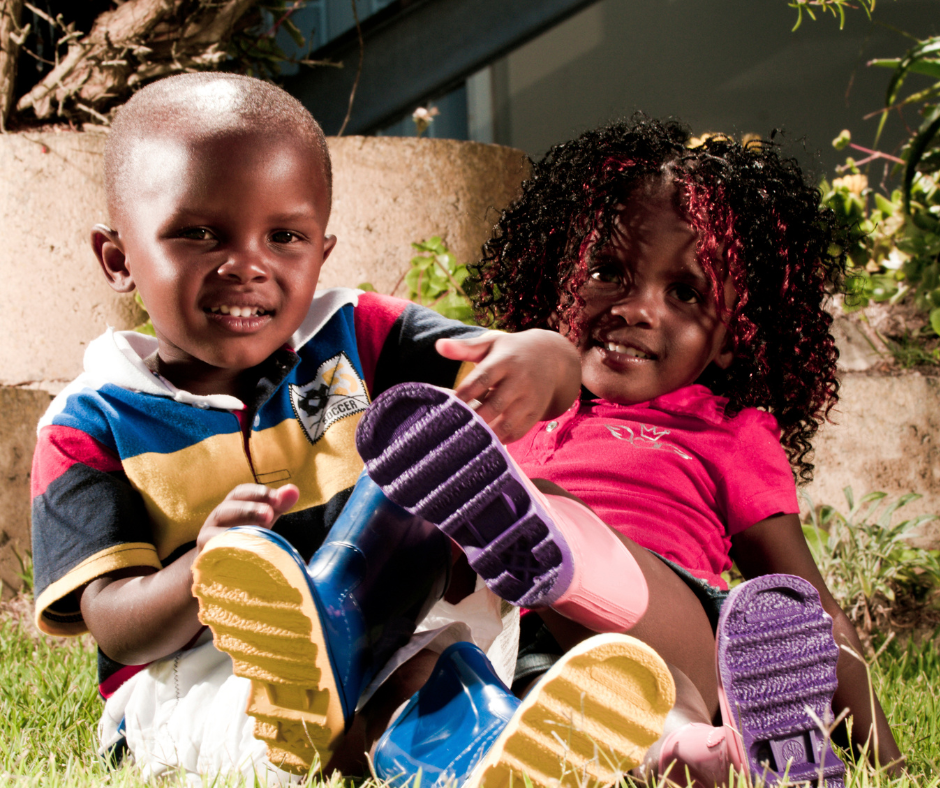
Understanding Twinship and its role in twins’ psychological development
Did you know that twinning, or twinship, the special relationship between twins, is its own psychological phenomenon?
While every baby learns to separate emotionally and psychologically from their mother/parent in infancy, twins go through another process.
They need to learn to separate from each other. For some, that can be harder than separating from their mother or another primary caregiver.
In her book, “Not all twins are alike”, Dr Barbara Klein (a psychologist and identical twin herself) discusses the experiences of twins' relationships with each other and their parents, and the impacts that challenges to separate from their twin had, and still have, on their lives (relationships, independence, sense of self, etc.).
Separating from the mother/parent vs separating from the co-twin
As many twins spend most of their time together, some even more than they do with their primary caregiver, their togetherness intensifies. They essentially learn that parents’ presence isn’t constant (as we all learn at some stage), yet their co-twin is more there than not. They can therefore “transfer” their need for emotional connection and support from parent to co-twin.
This can make the emotional and psychological separation from parents easier, yet it can also lead to other challenges ahead. Learning to self-regulate, deal with difficulties, challenges, and hardship is a lesson all singletons learn quite early in childhood, when parents return to work, they begin daycare or have a nanny. Babies and toddlers, therefore, need to find ways to navigate emotional and social situations without the constant presence of parents nearby. It might be tough, yet it is part of life, and it helps build resilience.
The twins’ unique reality of togetherness can lead some to become emotionally reliant or co-dependent on their co-twin for emotional regulation and support, feeling uncomfortable being on their own. When they are together in every situation and environment, they can naturally lean into their twinship to buffer social discomfort, the need to express feelings, face challenges, and venture into new experiences (socially, emotionally, and physically).
Twinship and its impacts on twins’ socio-emotional skills
It is not uncommon to have a more “social twin” in a pair who socialises for both. This can lead the “shy twin” to not develop social skills to make friends of their own, essentially relying on their co-twin to do the work for them.
Very tight twinships can also lead twins to compromise their own ideas, feelings, and needs for the sake of their bond. This is often the result of twins not being accustomed to being on their own, doing their own thing, expressing opposing feelings and “pushing back” when they aren’t comfortable with an idea or experiences. Recognising and acknowledging their emotional and physical boundaries can feel unnatural, uncomfortable, and even "wrong". They fear that if they aren’t together/close/feeling the same, their bond might be fractured. Not being the same/together can feel like a real threat to their twinship. And when your twinship is the main part of your identity and sense of self, it can be very unsettling.
How to help twins thrive outside their twinship
There are several ways we can help twins develop a healthy sense of self outside their twinship.
We can support twins’ independence, individuation, and confidence. We can begin by proactively facilitating opportunities for them to spend one-on-one time with each parent, grandparent, aunt, or older sibling. This will help them learn who they are outside the twinship, foster their social skills, and appreciate their worth and the value they bring to relationships.
Nurture their interests and hobbies. When we spend time alone with each twin, we can better understand what they like, what they are interested in, and how we can further nurture those interests. You can incorporate this knowledge into your one-on-one time, when setting up activities, when buying new toys and games, or presents.
Independent activities with parents, caregivers, playdates, etc., will foster each twin’s autonomy, confidence, sense of self and self-esteem. These will help both twins thrive in their own unique way.
Twins will then be able to enjoy their twinship, while having a healthy sense of individuation and identity. It will allow them to bring more of themselves into their special relationship, without it being their main identity.