
The effects of sleep on babies' memory
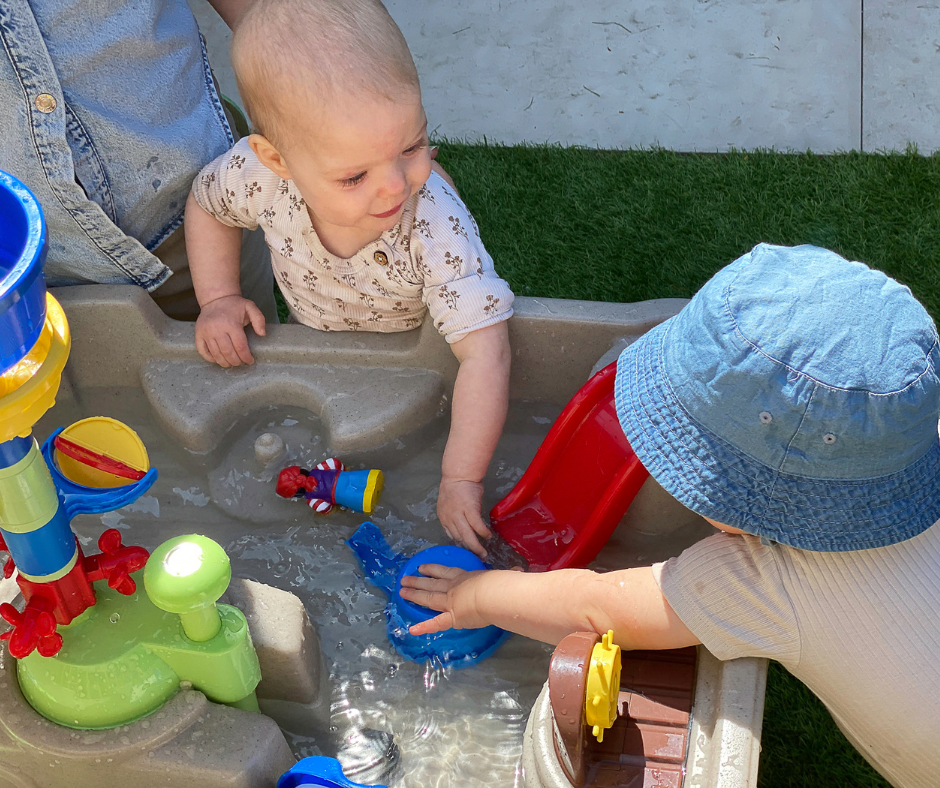
The importance of sleep to babies’ learning, memory, and development
A systematic review and meta-analysis published in Sleep Medicine in Sep 2025 shows the critical role of quality, duration, and timing of naps and night's sleep plays in memory consolidation, learning, and development in early childhood.
While we understand that sleep is an integral part of life (we spend a third of our adult life in sleep), for little ones, sleep is even more crucial.
How sleep Impacts on babies’ memory and development
Research highlights:
1. ”Findings point to a critical role of naps in memory, learning and socio-emotional development”.
2. “From infancy, sleep enhances memory, highlighting the developmental value of naps”.
3. “Naps benefit memory in preschoolers and may play a key role in preschool learning settings”.
4. “Although habitual nappers may gain more, non-habitual nappers still benefit from naps”.
5. “Combined effects of naps and overnight sleep may enhance declarative memory consolidation”.
Naps and night’s sleep are crucial for babies’ memory and socio-emotional skills
The findings suggest that naps and night’s sleep have a significant impact on infants, babies, and toddlers' learning, concentration, and socio-emotional skill development.
Babies who sleep well are able to better regulate their emotions, endure irritation and discomfort, persevere with challenges, and adapt to new situations more easily.
In comparison, overtired babies are easily irritable, experience greater frustration with challenges, conflict, and delayed gratification. Their attention span is shorter, and tolerance and patience are that much harder to master.
All these will affect social interactions with other babies, caregivers, and older children (siblings, peers, playdates, etc.), and subsequently impede learning opportunities and experiences.
When babies are well rested, engage in novel activities, imitate sounds (language learning) and actions (learning new motor skills), they are much more successful. Their brains are geared to take in new stimuli, and aren’t quickly overwhelmed.
The role of nap routine IN fostering babies’ learning
Timing and duration of naps, and quality of night’s sleep had a positive impact on overall learning skills, suggesting that nap routine contributes to babies’ learning and enhances development.
Of course, having babies and toddlers on a schedule isn’t always possible. Yet the intention to set up predictable times for naps, observing their duration (by working on re-settling to ensure sufficient sleep), and awareness of sufficient night sleep, are worth striving for.
Parents who recognise their babies’ sleep needs, and prioritise naps and timely bedtime, can see a greater impact on their babies’ learning, emotional regulation, learning new skills, attention span and overall learning performance.
It’s no secret that sleep is a biological need, just like food and water.
Therefore, understanding how much sleep your babies need at different ages, as well as facilitating a sleep-inducing environment, adequate time for winding down to ease the transition to sleep, observing age-appropriate wake windows, and working on re-settling, will have positive impacts on their appetite, growth, and development.
These great sleeping habits will have an invaluable impact on their learning well into the school years.
Read the full review: "Napping and memory consolidation in early childhood: A systematic review and meta-analysis".
(Maher Souabni, Mehdi J. Souabni, Atef Salem, Omar Hammouda, Achraf Ammar, Oussama Saidi, Piotr Zmijewski, Haitham Jahrami, Giovanni de Marco, Khaled Trabelsi, Tarak Driss, Napping and memory consolidation in early childhood: A systematic review and meta-analysis, Sleep Medicine, Volume 133, 2025).
If you want to help your twins sleep better, set up a good nap routine in place and consolidate night’s sleep, get in touch below! You can learn more about my twin sleep training methods in a free discovery call, or book a twin sleep consultation package today.